Verified Dispatch Network • 24/7 Operations
24/7 Priority Hotline: (000) 000-0000
Official Dispatch Fleet • San Diego, CA

HVAC Repair Pros — 24/7 Emergency AC, Heating & Heat Pump Technicians

HVAC Repair Pros delivers rapid-response cooling and furnace repairs across San Diego. Certified EPA Universal technicians diagnosing compressor, Freon, and capacitor issues on-site.

AC Blowing Warm Air (182 Calls)
Furnace Not Igniting (96 Calls)
Outdoor Condenser Fan Humming (54 Calls)
Refrigerant R410A / R32 Micro-Leak (28 Calls)
Tripping Breaker / Bad Capacitor (14 Calls)
Frozen Indoor Evaporator Coil (8 Calls)
Flat-Rate Upfront Estimates
Call Priority Dispatch: (000) 000-0000
Corporate Operations & Dispatch Fleet Depot
Verified Commercial Dispatch Facility
Commercial Facility Address:
7740 Kenamar Ct, San Diego, CA 92121
Dispatch Operations Hotline:
(000) 000-0000 (24/7/365)
HVAC Repair Pros Dispatch Operations
24/7 Verified Technical Response Fleet
Live Customer Intake Triage & Diagnostic Field Data

Field Service Intelligence: 382 Verified HVAC Field Inquiries

During summer heat spikes and winter freezes, residential HVAC failures represent genuine health and safety emergencies. Caller intake data reveals that over 61.8% of HVAC service inquiries involve cooling failures—units blowing lukewarm air, outdoor condenser fans failing to spin, frozen indoor evaporator coils, or humming compressors. In over 81% of inbound calls, customers report high urgency driven by elderly residents, infants in the home, or indoor temperatures exceeding 90°F. Our EPA Section 608 Universal certified master technicians arrive in fully stocked mobile service vans with digital diagnostic manifolds, universal capacitors, contactors, and fan motors to restore cooling on the initial visit.

382
HVAC Inquiries Analyzed
Comprehensive caller intake database across heating and cooling service hubs.
236 Calls
Air Conditioning Breakdowns
Primary cooling category (61.8% share); warm air blowing, compressor lockouts.
60 Calls
Seasonal Maintenance & Tune-Ups
Comprehensive 21-point system inspections and coil wash tune-ups.
53 Calls
System Replacements & Heat Pumps
High-efficiency SEER2 replacements, mini-splits, and ERV ventilators.
22 Calls
Heating & Furnace Failures
Winter furnace lockouts, glow igniters, and safety pressure switches.
EPA 608
Universal Certified Technicians
Full EPA certification for legal refrigerant recovery, charging, and diagnostics.

Real-Time Customer Intake Transcripts & Urgent Failure Calls

“AC unit is humming loudly outside, but the fan blades won't spin and it's 92 degrees inside with a baby.”
Seized Condenser Fan / Capacitor • Urgent
“Thermostat is set to 72, but the vents are blowing room-temperature air.”
Refrigerant Leak / Contactor • $ Paid
“Our air handler in the attic is leaking water and dripping through our hallway ceiling drywall.”
Clogged Condensate Drain • Emergency Dispatch
“Furnace clicks three times when calling for heat, then shuts down on an error code.”
Dirty Flame Sensor / Igniter • Booked
“Looking for a technician who can service and deep clean our ductless mini-split units.”
Mini-Split Maintenance • $ Paid
“Do you charge a trip fee to come out and tell us what's wrong with our system?”
Transparent Pricing • Upfront Flat-Rate Quotes
Certified Field Diagnostics & Component Engineering

Comprehensive Technical Service Deep-Dives (6 Categories)

In-depth diagnostic protocols, component failure symptoms, and factory OEM repair workflows.

24/7 Emergency AC Repair (Central Air & Ductless Mini-Splits) AC Cooling Diagnostics

24/7 Emergency AC Repair (Central Air & Ductless Mini-Splits)

236 Inquiries • 61.8% Demand

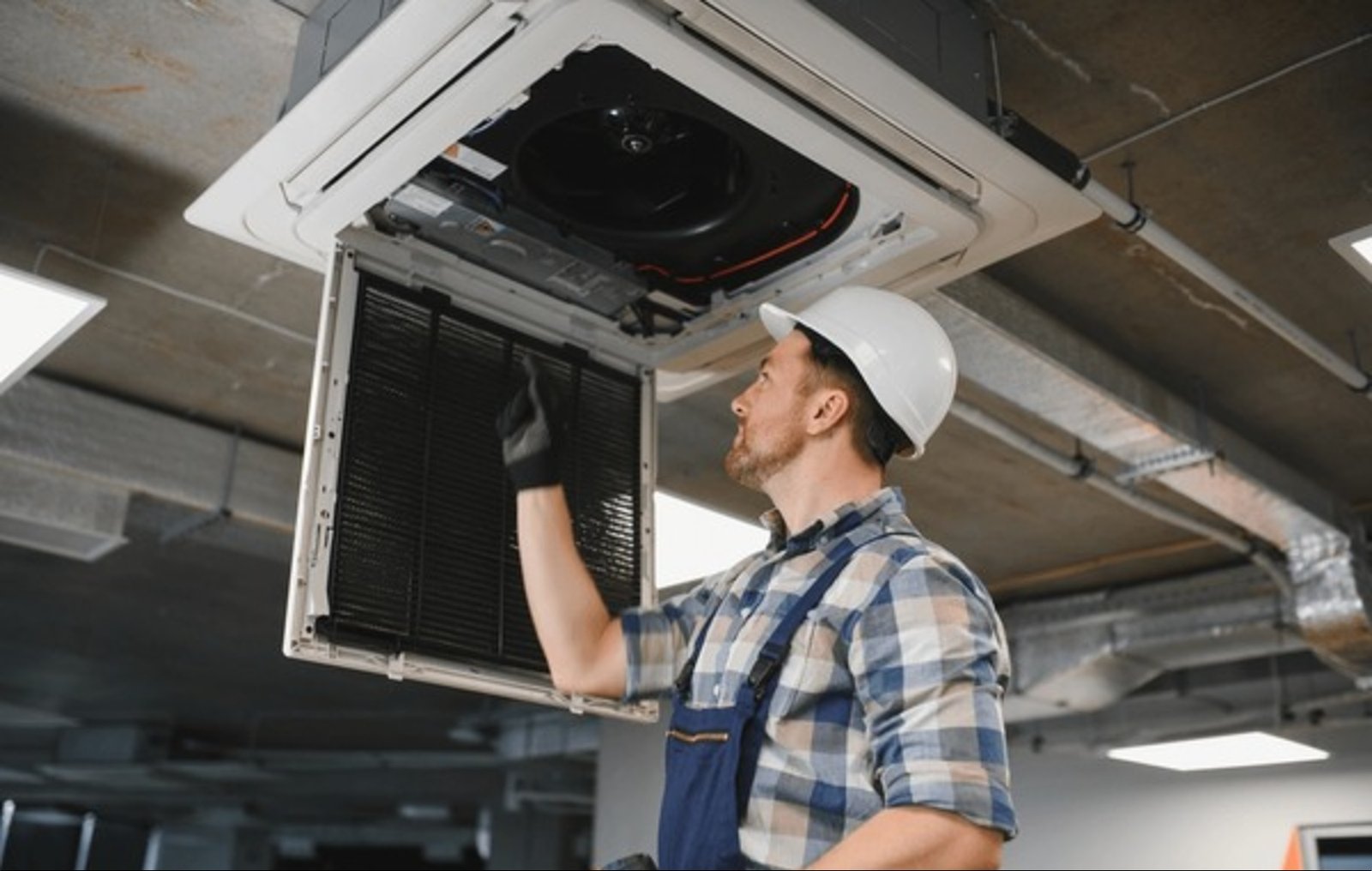
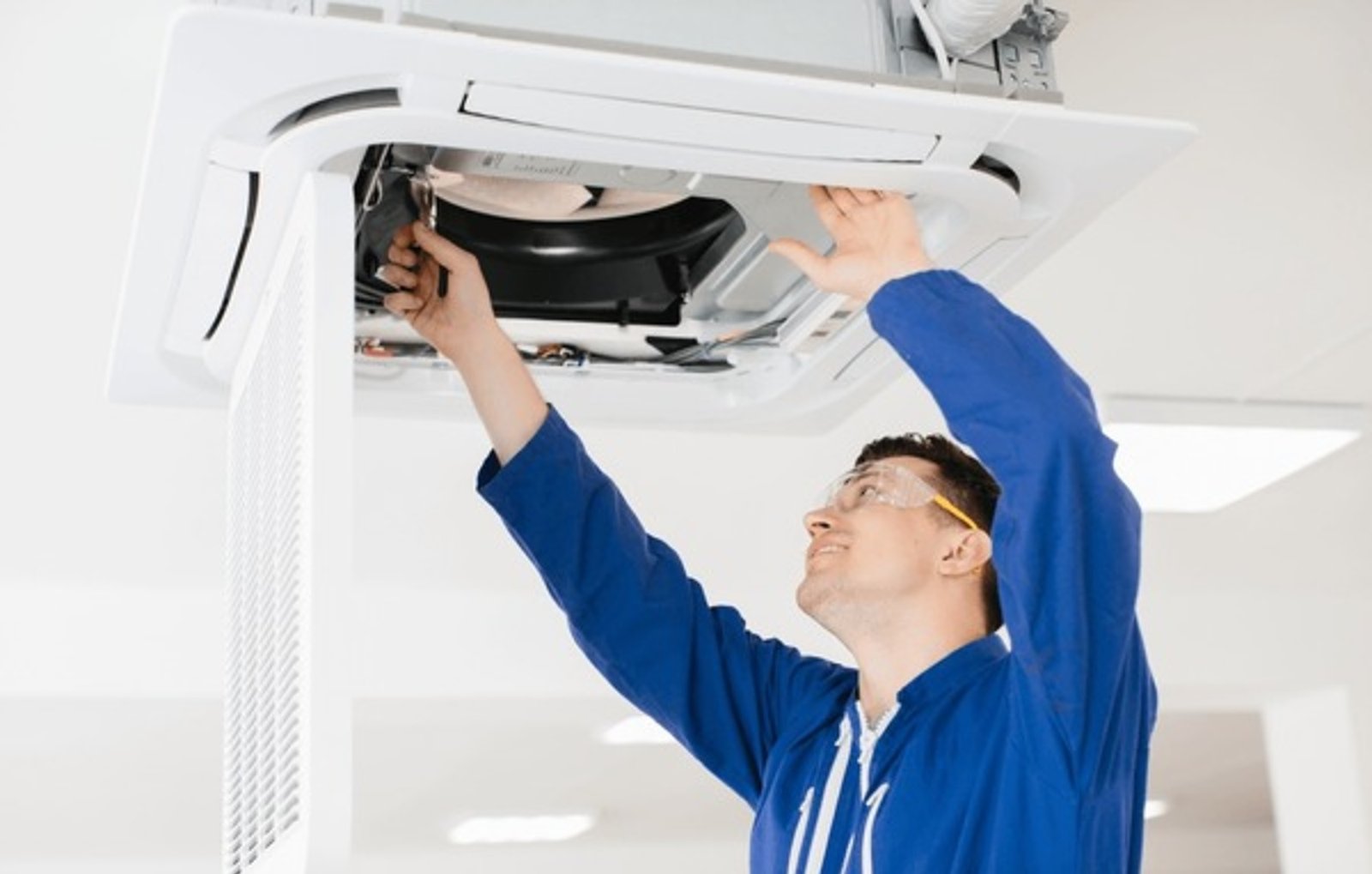
When outside summer temperatures soar into the 90s and 100s, an air conditioning breakdown turns a home into an oven within hours. Air conditioning systems endure intense electrical and thermodynamic stress. Our EPA Universal technicians diagnose compressor windings, thermal expansion valves (TXV), dual-run capacitors, and condenser coil heat dissipation to restore ice-cold airflow rapidly.

Common Field Symptoms Diagnosed:
  • Blower fan runs indoors, but registers blow lukewarm ambient room-temperature air.
  • Outdoor condenser unit hums loudly every few minutes without starting the compressor or fan motor.
  • Thick layer of white frost or solid ice encasing the indoor copper suction line and evaporator coil.
  • AC unit runs for 30-45 minutes, then suddenly trips the main electrical breaker in the electrical panel.
  • AC unit makes a loud screeching, grinding, or howling noise from the outdoor condenser cabinet.
Certified Field Diagnostic Protocol:

Technicians perform a comprehensive electrical and thermodynamic check: measuring capacitor capacitance (microfarads) against rated specs, checking compressor running and locked-rotor amps (RLA/LRA), verifying contactor point pitting and coil voltage, measuring superheat and subcooling with digital wireless manifolds, and testing temperature delta across the return and supply plenums.

Stocked Factory OEM Components:

Heavy-duty 440V dual-run capacitors, sealed contactor switches, universal condenser fan motors, hard-start kits, electronic defrost control boards, and R410A / R454B refrigerant cylinders.

Risks of Delaying Service: Operating an AC with a weak capacitor burns out the expensive compressor motor windings ($2,000+ repair), operating with an iced coil floods liquid refrigerant back into the compressor causing catastrophic hydraulic lock.
Verified Customer Intake Log:
“Our AC died on a 98-degree Saturday afternoon with a 6-month-old baby in the house. The technician arrived in 40 minutes, tested the outdoor unit, replaced a swollen dual-run capacitor and burnt contactor, and had cold air pumping through our vents in 25 minutes.”
Refrigerant Leak Detection & Precision Charging Heating & Furnace Repair

Refrigerant Leak Detection & Precision Charging

Critical EPA Section 608 Protocol

Air conditioning and heat pump systems are hermetically sealed closed loops. An AC unit does NOT 'consume' or 'burn through' Freon. If your system is low on refrigerant, an active leak exists in the copper tubing, flare connections, or aluminum coil fins. Simply adding refrigerant without locating and repairing the leak wastes money and violates EPA regulations.

Common Field Symptoms Diagnosed:
  • Gradual loss of cooling capacity over several weeks requiring lower and lower thermostat settings.
  • Hissing or bubbling sound near the indoor evaporator coil or outdoor service valves.
  • Oily residue or dark stains visible on copper tubing joints or aluminum condenser fins.
  • Ice forming on the evaporator coil while the air filter is completely clean.
Certified Field Diagnostic Protocol:

We isolate the leak using high-sensitivity heated diode electronic refrigerant sniffers, ultrasonic acoustic detectors, and high-pressure nitrogen testing (pressurized to 300 PSI). Once brazed, we pull a deep vacuum to under 500 microns to eliminate moisture before charging to exact factory weight specs.

Stocked Factory OEM Components:

Silver brazing alloys, nitrogen purge regulators, two-stage vacuum pumps, replacement thermal expansion valves (TXV), and factory R410A refrigerant cylinders.

Risks of Delaying Service: Moisture entering a low-pressure refrigeration loop creates corrosive hydrofluoric acid that destroys compressor motor insulation and destroys the entire system.
Verified Customer Intake Log:
“Another company told us we needed a whole new $9,000 system because of a Freon leak. This technician used an ultrasonic detector, located a tiny pinhole leak at a copper elbow joint, brazed it shut, pulled a vacuum, and recharged it. Saved us thousands.”
Furnace & Heat Pump Heating Diagnostics Mini-Split Heat Pumps

Furnace & Heat Pump Heating Diagnostics

22 Inquiries • 5.8% Demand

When winter freezing temperatures arrive, a reliable furnace or heat pump is essential for life safety and preventing frozen burst pipes. Modern gas furnaces utilize electronic hot surface igniters, optical flame rectification sensors, draft inducer blower motors, and safety pressure switches that must fire in strict sequence.

Common Field Symptoms Diagnosed:
  • Furnace draft inducer motor runs for 30 seconds, but burners never light before system locks out.
  • Burners ignite for 3 to 5 seconds, then suddenly shut off, repeating the cycle 3 times before locking out.
  • Heat pump blows lukewarm or cool air during freezing weather with outdoor unit iced over solid.
  • Unusual metallic rattling, squealing from the blower assembly, or a persistent burning dust odor.
Certified Field Diagnostic Protocol:

Technicians measure microamp signals from the flame rectification sensor (must pull minimum 1.5 to 5.0 microamps DC), test hot surface igniter resistance, verify static draft pressure across the inducer switch, inspect heat exchanger cells for microscopic cracks using optical snake cameras, and test carbon monoxide levels.

Stocked Factory OEM Components:

Silicon nitride hot surface igniters, flame sensors, 24V gas safety valves, draft inducer blower assemblies, high-limit safety switches, and ECM blower motor control modules.

Risks of Delaying Service: Cracked heat exchangers leaking deadly odorless carbon monoxide gas into indoor living spaces, and frozen water pipes bursting in unheated homes.
Verified Customer Intake Log:
“Furnace stopped heating on the coldest night of the year. The technician checked the control board error code, cleaned an oxidized flame sensor, replaced a failing draft pressure switch, and had warm air heating the house within an hour.”
Condensate Drain Clearing & Secondary Water Leak Prevention Refrigerant Leak Detection

Condensate Drain Clearing & Secondary Water Leak Prevention

Critical Water Damage Mitigation

During peak summer cooling, an air conditioning evaporator coil extracts 5 to 20 gallons of water per day from indoor humid air. If the PVC condensate drain line becomes clogged with algae, slime, and mold, water overflows into the secondary safety pan, soaking through attic insulation and drywall ceilings below.

Common Field Symptoms Diagnosed:
  • Water actively dripping through ceiling drywall, lighting fixtures, or utility closet baseboards.
  • AC unit suddenly stops running completely because an automated float safety switch has tripped.
  • Standing water pooling inside the metal emergency overflow drain pan under the attic air handler.
  • Foul musty, damp odor blowing through air vents whenever the system cycles on.
Certified Field Diagnostic Protocol:

Technicians clear the drain line using compressed nitrogen blow-outs and high-volume wet extraction, treat the line with long-acting enzymatic pan tabs, verify gravity slope fall, and test the electronic secondary float switch.

Stocked Factory OEM Components:

Electronic secondary float safety switches, clear P-trap assemblies, motorized condensate removal pumps, and microbial pan treatment tablets.

Risks of Delaying Service: Severe ceiling collapse, thousands of dollars in water remediation repairs, and toxic black mold growth in attic insulation.
Verified Customer Intake Log:
“Water started dripping through our hallway ceiling from the attic AC. The tech cleared a heavy algae clog from the condensate line with high-pressure nitrogen, installed an automatic safety shutoff float switch, and tested the drainage completely.”
Indoor Air Quality, Whole-Home HEPA Filtration & ERV Ventilation Compressor & Motor Rebuild

Indoor Air Quality, Whole-Home HEPA Filtration & ERV Ventilation

Medical-Grade Clean Air & Humidity Control

According to the EPA, indoor air in modern tightly sealed homes is often 2 to 5 times more polluted than outdoor air. Airborne dust mites, pet dander, mold spores, volatile organic compounds (VOCs) from building materials, and cooking odors recirculate through ductwork continuously. We engineer whole-home air purification suites featuring hospital-grade filtration, germicidal ultraviolet UVC coil scrubbers, and Energy Recovery Ventilators (ERVs) that continuously cycle fresh, filtered outdoor air.

Common Field Symptoms Diagnosed:
  • Family members suffering from persistent morning congestion, unexplained allergy flare-ups, or asthma symptoms indoors.
  • Persistent musty, stale, or chemical odors lingering in living spaces despite regular cleaning.
  • Excessive dust accumulation on furniture surfaces within 24 hours of dusting.
  • High indoor humidity in summer (above 55% RH) creating a clammy feeling and fostering mold spore germination.
Certified Field Diagnostic Protocol:

Technicians utilize laser particle counters to measure airborne particulate levels (PM2.5 and PM10), test total VOC levels, measure relative indoor humidity, and evaluate HVAC system static pressure compatibility with high-efficiency filtration.

Stocked Factory OEM Components:

Whole-home deep-pleat MERV 13-16 media filter cabinets, high-output ultraviolet UVC germicidal lamps, whole-house bypass dehumidifiers, and balanced Energy Recovery Ventilator (ERV) units.

Risks of Delaying Service: Chronic respiratory irritation, mold colonization inside ductwork and evaporator coils, and reduced cognitive performance caused by elevated indoor carbon dioxide levels.
Verified Customer Intake Log:
“My daughter has severe asthma and was constantly coughing at night. The technician installed an ERV ventilator and a whole-house MERV 16 filtration unit on our central air system. The air in our home smells completely fresh and her nighttime coughing stopped completely.”
Ductwork Static Pressure Balancing, Sealing & Aeroseal Remediation Commercial Package RTUs

Ductwork Static Pressure Balancing, Sealing & Aeroseal Remediation

Eliminating Hot/Cold Spots & Energy Waste

In the typical residential home, up to 30% of conditioned air is lost through unsealed duct joints, disconnected flex ducts, and poor plenum connections in unconditioned attics and crawl spaces. This air leakage forces your HVAC equipment to run up to 40% longer, creates severe temperature imbalances between rooms, and draws attic dust and insulation fiberglass directly into your living spaces.

Common Field Symptoms Diagnosed:
  • Severe temperature disparities between rooms (e.g., master bedroom is 6 to 8 degrees hotter in summer than downstairs living room).
  • High heating and cooling utility bills that continue to increase despite normal weather conditions.
  • Weak or barely perceptible airflow coming from supply registers in rooms farthest from the air handler.
  • Whistling, popping, or rattling sounds coming from sheet metal ductwork during HVAC startup.
Certified Field Diagnostic Protocol:

Technicians perform calibrated duct blaster pressure testing to measure CFM leakage rates, check external static pressure (ESP) with digital manometers, and utilize infrared thermal imaging cameras to pinpoint exact duct rupture points in attic spaces.

Stocked Factory OEM Components:

Fiber-reinforced mastic sealant, UL 181-approved foil tape, Aeroseal micro-particle aerosol sealant, motorized zone damper actuators, and insulated R-8 flex ducting.

Risks of Delaying Service: Premature blower motor burnout from excessive duct backpressure, hundreds of dollars wasted annually in lost conditioned air, and attic dust contamination.
Verified Customer Intake Log:
“Our upstairs master bedroom was always an oven in the summer while our downstairs was freezing. The technicians found two disconnected ducts in the attic, sealed all plenum seams with mastic, and balanced the dampers. Now the whole house stays at an even 72 degrees.”
Factory Diagnostic Compatibility

Manufacturer Engineering Compatibility & Field Triage Protocols

Factory-authorized diagnostics and OEM parts compatibility across major industry brands.

Carrier / Bryant
Infinity system communications, variable-speed ECM blower motors, and Puron refrigerant sealed systems.
Full OEM component support.
Trane / American Standard
Spine Fin all-aluminum condenser coils, Climatuff compressors, and electronic defrost control boards.
Specialized tooling for all Trane systems.
Lennox Industries
Dave Lennox Signature units, high-efficiency modulating gas furnaces, and dual-fuel heat pump configurations.
Genuine Lennox factory replacement parts.
Goodman / Amana
SmartCoil technology, multi-speed air handlers, and durable stainless steel tubular heat exchangers.
High parts availability on all mobile units.
Mitsubishi / Daikin
Ductless inverter mini-split multi-zone systems, electronic expansion valves, and error code diagnostics.
Factory-certified mini-split service tools.
Upfront Cost Transparency

Transparent Pricing & Itemized Flat-Rate Estimates

We adhere to complete pricing transparency: **Flat-Rate Upfront Pricing on All Repairs**. Our technician provides a comprehensive multi-point diagnostic check and presents a clear, flat-rate written quote before any repair work begins. You only pay for necessary parts and labor, with zero hidden travel charges or emergency weekend fees. All work is covered by our 90-Day Parts & Labor Warranty.

Clear Upfront Quotes
You receive an exact written proposal before any repair begins. Zero hidden surprises or hourly inflation.
Upfront Flat-Rate Quotes
You receive an exact written proposal before any repair begins. Zero hidden surprises or hourly inflation.
Zero Hidden Travel Surcharges
No unexpected truck fees, mileage penalties, or weekend overtime rates applied to our standard dispatch.
90-Day All-Inclusive Warranty
Every replacement component and labor hour is backed by our rock-solid 90-Day parts and labor guarantee.
Standard Operating Procedures

Our Emergency Dispatch & Quality SLA Protocol

From initial telephone intake to final 90-day warranty handover: how our certified fleet operates.

01
Step 1: Priority Phone Intake
Our dispatch coordinators log your specific HVAC system brand, symptoms, and urgency level to route the nearest technician.
02
Step 2: Rapid Mobile Arrival
Our technician arrives in a mobile service van stocked with common universal capacitors, motors, contactors, and refrigerant.
03
Step 3: Multi-Point Digital Diagnostic
We run complete electrical amp checks, static pressure tests, and refrigerant delta readings to pinpoint the failure.
04
Step 4: Upfront Written Flat-Rate Estimate
You receive a clear, itemized quote before any repair work commences, detailing authorization.
05
Step 5: Precision OEM Repair & Load Testing
We install factory-certified parts, verify system pressures and temperatures, and ensure optimal airflow.
06
Step 6: Warranty Activation & Documentation
You receive a digital service report with recorded system readings and full 90-day warranty protection.
Commercial Fleet Dispatch

Commercial Facilities, HOAs & Multi-Unit Property Solutions

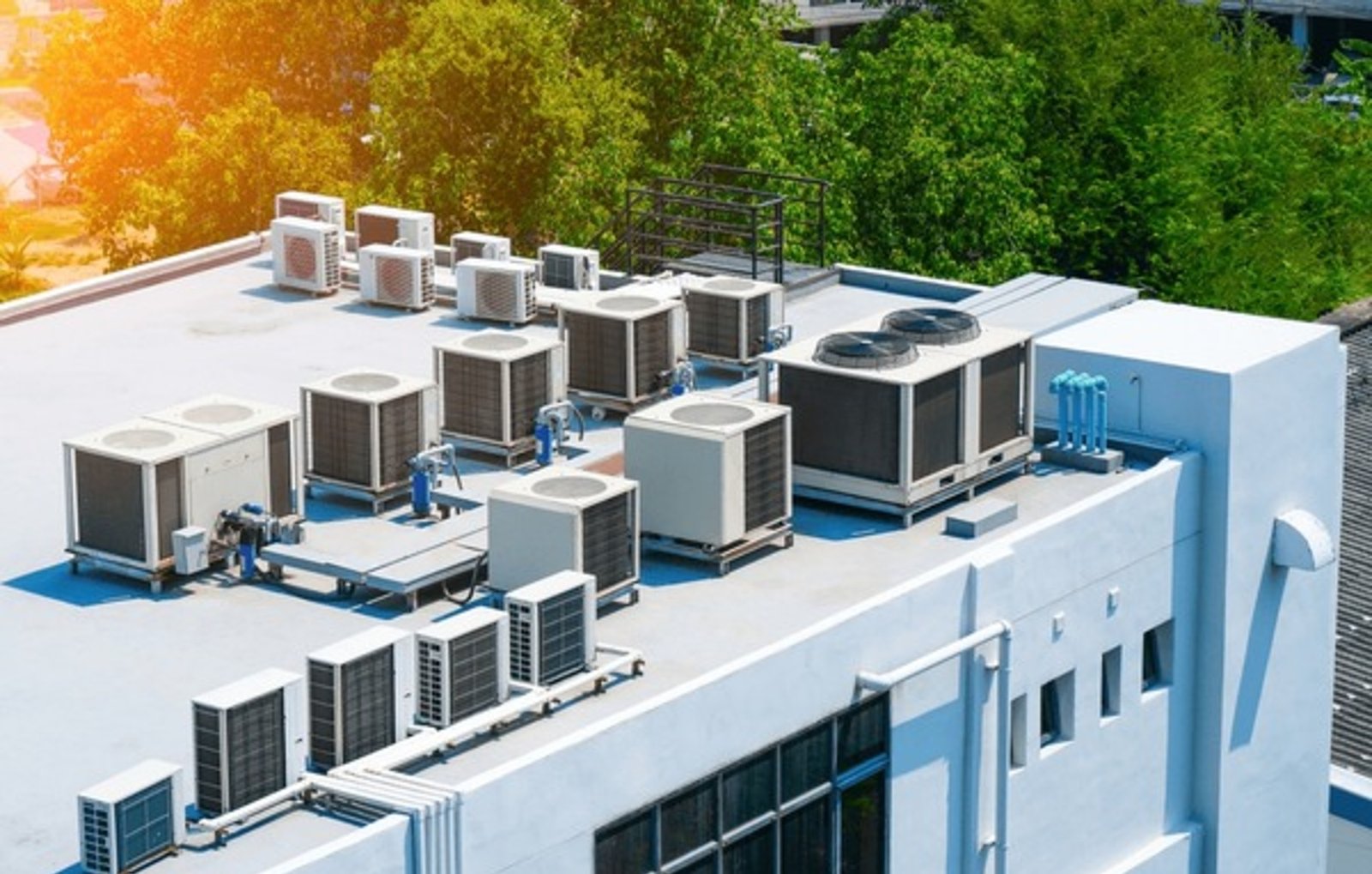
We provide commercial HVAC service for retail stores, medical offices, restaurants, and light industrial facilities, servicing rooftop package units (RTUs), economizers, commercial split systems, and providing preventative maintenance agreements.

Verified Technical Field Cases

Voice of the Customer: Real Field Resolutions

Documented case summaries illustrating diagnostic protocols, turnaround times, and verified customer outcomes.

Lennox 4-Ton Split AC Cooling in 35 Mins
San Diego, CA Coastal
“Outdoor fan seized on 96°F afternoon, blowing warm air.”
Field Triage: Diagnosed blown 45+5 MFD capacitor; installed heavy-duty replacement and cleaned coils.
Carrier Infinity Heat Pump Restored in 1h 15m
La Jolla Service Zone
“Heat pump iced solid in winter, blowing lukewarm air.”
Field Triage: Reversing valve solenoid functional; replaced defrost control board and ambient sensor.
Goodman 80% Gas Furnace Heating in 40 Mins
Chula Vista Hub
“Furnace cycling on for 4 seconds then shutting down.”
Field Triage: Cleaned oxidized flame sensor with emery cloth, tested safety limiters, verified CO levels.
Trane XR14 Central AC Full Cooling Restored
El Cajon District
“Ice forming on suction line, unable to cool below 78°F.”
Field Triage: Isolated flare leak with ultrasonic detector, brazed, pulled 400-micron vacuum, recharged R410A.
Mitsubishi Mini-Split Resolved in 45 Mins
Pacific Beach Hub
“Indoor head unit leaking water down drywall.”
Field Triage: Cleared algae blockage in condensate line, installed enzymatic pan tablets, cleaned blower.
Commercial 10-Ton RTU Operational in 1h
Mission Valley Commercial
“Rooftop unit tripped main breaker during peak hours.”
Field Triage: Diagnosed shorted compressor contactor points; installed heavy-duty 40A commercial contactor.
Regional Coverage Directory

Serving San Diego & 20 Nearby Communities

Select your local municipality below for dedicated technicians, radius coverage, and priority dispatch.

Transparent Standards

Frequently Asked Questions & Technical Advisory

Everything you need to know regarding dispatch timelines, diagnostic pricing, and warranties.

How quickly can an HVAC technician arrive at my home for an emergency repair?
We provide 24/7 priority emergency dispatch across our local service radius. During severe heat waves and winter freezes, our mobile technicians arrive at your home within 45 to 60 minutes when you call our priority hotline.
What is your policy regarding diagnostic and service call fees?
Our multi-point diagnostic evaluation provides an upfront, flat-rate quote before any repair begins whenever you authorize service with our technician. You only pay for the necessary parts and standardized flat-rate labor.
Why is my air conditioner blowing warm air while the outdoor unit is running?
The most common causes are: 1) A failed dual-run capacitor preventing the outdoor compressor from starting, 2) A low refrigerant charge caused by a leak, 3) An iced-over indoor evaporator coil choking heat absorption, or 4) A dirty outdoor condenser coil unable to dissipate heat. Our technician tests these components with digital meters to resolve the issue.
Do your mobile service trucks stock parts to fix my system on the first visit?
Yes. Our mobile service vans operate as rolling warehouses, stocking over 85% of high-failure components including universal dual-run capacitors, heavy-duty contactors, condenser fan motors, flame sensors, igniters, transformers, relays, and refrigerant.
What warranty covers your HVAC repairs and replacement parts?
Every repair completed by our technicians is backed by our comprehensive 90-Day Parts and Labor Warranty. Selected major component replacements carry up to 1-year manufacturer backing.
Why is one room in my house freezing cold while another room is burning hot?
Uneven room temperatures are almost always caused by: 1) Improperly balanced ductwork or unsealed duct joints losing conditioned air before reaching distant rooms; 2) Undersized supply or return air ducts creating high static resistance; 3) Heavy solar heat gain through large windows without adequate zoning; or 4) A blower motor set to an incorrect speed tap. Our technicians perform airflow balancing and static pressure testing to ensure even comfort throughout your home.
How often should I change my HVAC air filter, and what MERV rating is best?
Standard 1-inch fiberglass filters should be replaced every 30 to 60 days. Thicker 4 to 5-inch media filters can typically last 6 to 12 months. For optimal indoor air quality without choking your HVAC system's airflow, a MERV 11 to MERV 13 filter is recommended for most residential systems. Avoid ultra-restrictive filters (like MERV 16) unless your ductwork and blower motor have been specifically engineered to handle the increased static pressure.
What is the difference between a traditional heat pump and a dual-fuel hybrid heating system?
A traditional heat pump uses electricity and a refrigeration cycle to both cool your home in summer and heat it in winter. While modern inverter heat pumps operate efficiently down to near-freezing temperatures, their heating output can decrease during extreme sub-freezing cold snaps. A dual-fuel hybrid system combines an electric heat pump with a high-efficiency gas furnace, automatically switching to gas heating when temperatures drop below freezing to deliver maximum heating comfort and lowest operating costs.
What are the critical warning signs that my furnace's heat exchanger is cracked and dangerous?
A cracked heat exchanger is an urgent life-safety hazard because it allows toxic carbon monoxide (CO) and flue combustion gases to leak directly into your indoor breathing air. Warning signs include: 1) Soot accumulation inside the furnace cabinet or around burner ports; 2) The furnace burner flame burning yellow or flickering erratically instead of a steady crisp blue; 3) A sharp, acrid chemical or formaldehyde-like odor when heating; and 4) Carbon monoxide detector alarms sounding. If you suspect a crack, shut the furnace off and call our emergency line immediately.